Top Outdoor Running Shoes for Comfort and Performance in All Conditions
When it comes to outdoor running, the right footwear can significantly influence both comfort and performance, especially in diverse conditions. As expert podiatrist Dr. Emily Harper notes, "The key to a successful run lies not just in your training but in having the proper outdoor running shoes that cater to the terrain and weather." With varying ground textures and unpredictable climates, runners require shoes that provide adequate support, flexibility, and traction to enhance their experience while minimizing the risk of injury.
The latest trends in outdoor running shoes focus on advanced materials and technologies that improve not only comfort but also responsiveness during a run. From lightweight mesh uppers to cushioned midsoles, the design of these shoes aims to meet the needs of every runner, whether traversing rocky trails or paving city sidewalks. As we explore the top outdoor running shoes available, we’ll delve into how these innovations work to maintain stability and protect against the elements, ensuring a smooth and enjoyable running experience. This guide will help enthusiasts and casual joggers alike to find the perfect pair to suit their outdoor adventures.
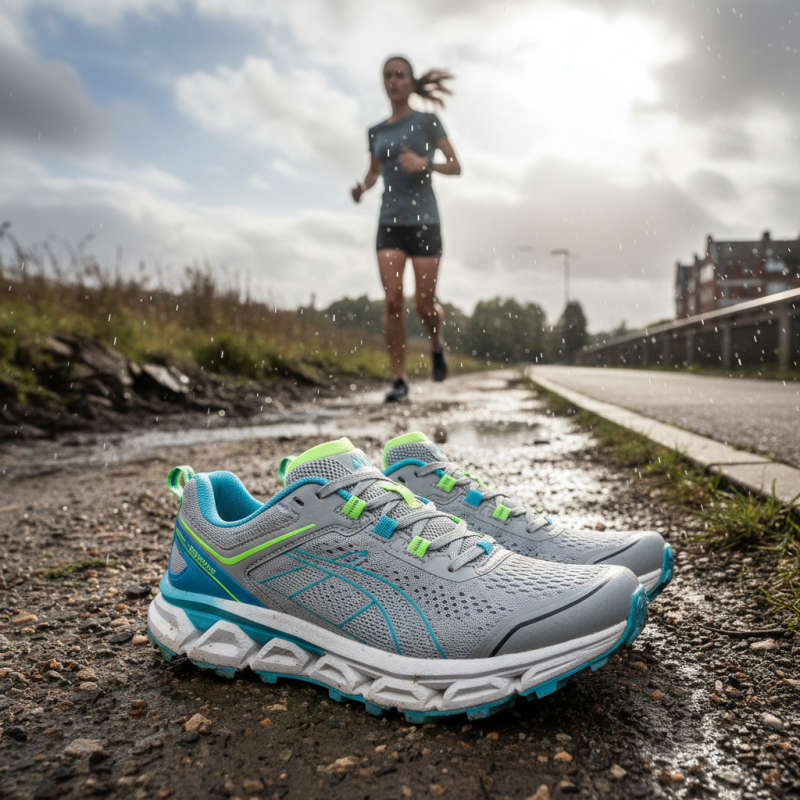
Key Features to Look for in Outdoor Running Shoes
When searching for the perfect outdoor running shoes, several key features can significantly enhance your comfort and performance in various conditions. First, look for shoes with a durable upper material that provides both breathability and support. This ensures your feet remain comfortable and dry, even during long runs in unpredictable weather.
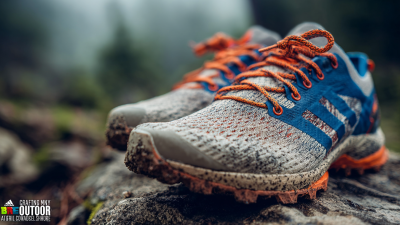
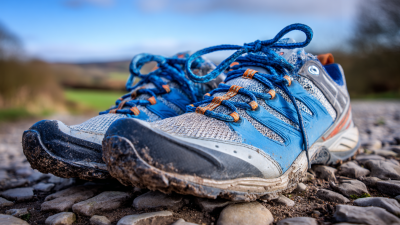
Another critical aspect is cushioning. Opt for shoes that offer optimal shock absorption to protect your joints from the impact of uneven terrain. A good outsole with a solid grip is essential as well—it ensures traction on various surfaces, from muddy trails to wet pavements, providing you with stability and confidence in every step.
Tips: Make sure to try on shoes at the end of the day when your feet are slightly swollen to get a better fit. Additionally, consider your running style and foot type to choose the right level of arch support. Finally, don’t forget to break in your new shoes with shorter runs before embarking on longer distances to avoid discomfort or blisters.
Best Materials for Comfort and Breathability in Running Footwear
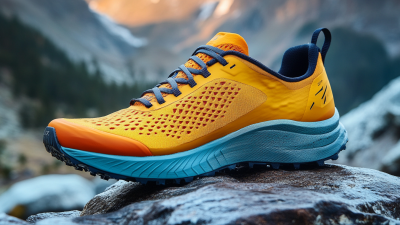
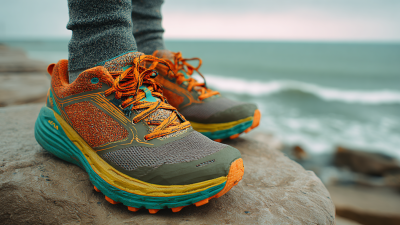
When it comes to outdoor running shoes, the materials used in their construction play a crucial role in delivering both comfort and breathability. A well-designed shoe typically features an upper made from lightweight mesh, which allows for ample airflow to keep the feet cool during long runs. This breathable material helps to wick away moisture, reducing the risk of blisters and discomfort, even in warmer weather. Additionally, many running shoes incorporate synthetic overlays that provide support and structure while still allowing for flexibility.
The midsole material is another key factor in determining the overall comfort of running footwear. Cushioning technologies in midsoles, often made from proprietary foams or gels, are engineered to absorb impact and provide a responsive feel during each step. This ensures that runners experience optimal comfort regardless of the terrain. Furthermore, outsoles made from durable rubber enhance grip and traction, which is essential for maintaining stability on various surfaces, from asphalt to trails.
Selecting the right materials not only enhances performance but also elevates the overall running experience, making each mile more enjoyable.
Top Brands Offering High-Performance Outdoor Running Shoes
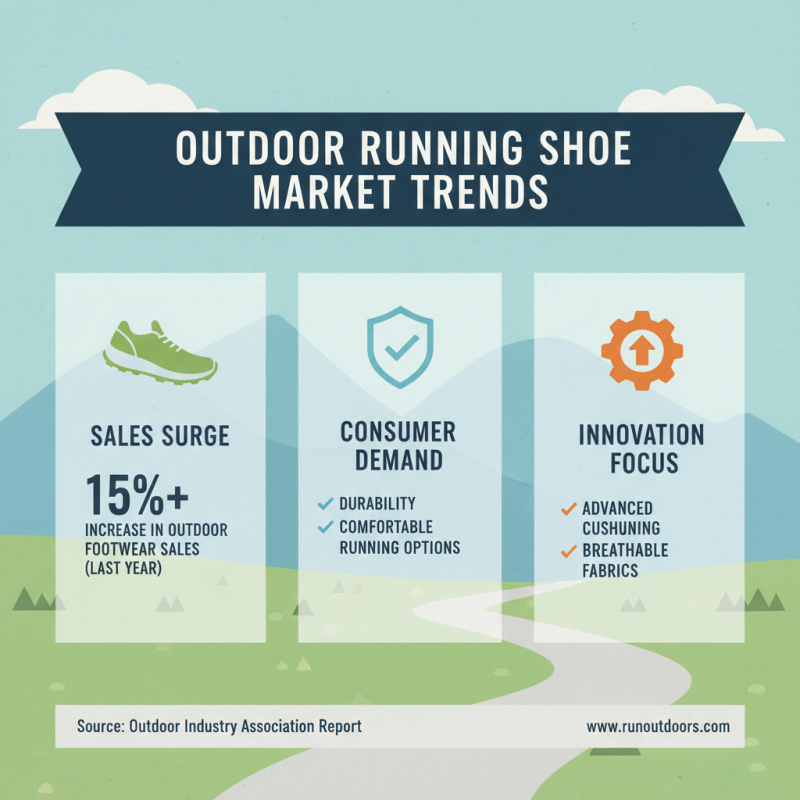
In the outdoor running shoe market, comfort and performance are paramount, especially in varying conditions. According to a recent report by the Outdoor Industry Association, sales of outdoor footwear have surged by over 15% in the past year, demonstrating a strong consumer demand for durable and comfortable running options. Recognizing this trend, top brands in the industry have been focusing on innovative materials and technologies to enhance user experience. For instance, advances in cushioning systems and breathable fabrics have become crucial in ensuring that runners can perform optimally regardless of the weather or trail terrain.
Moreover, studies indicate that a well-designed outdoor running shoe can significantly reduce injury rates by up to 30%. This highlights the importance of selecting shoes that not only fit well but also provide adequate support and traction. Brands leading the way have invested significantly in biomechanics research, utilizing high-tech design processes to create shoes that cater to different running styles and foot types. As runners continue to seek shoes that maximize comfort while delivering superior traction and responsiveness, the competition among these brands drives continuous improvement in outdoor running footwear, ensuring that enthusiasts can find the perfect match for their outdoor adventures.
Comparison of Lightweight vs. Cushioned Running Shoes for Terrain
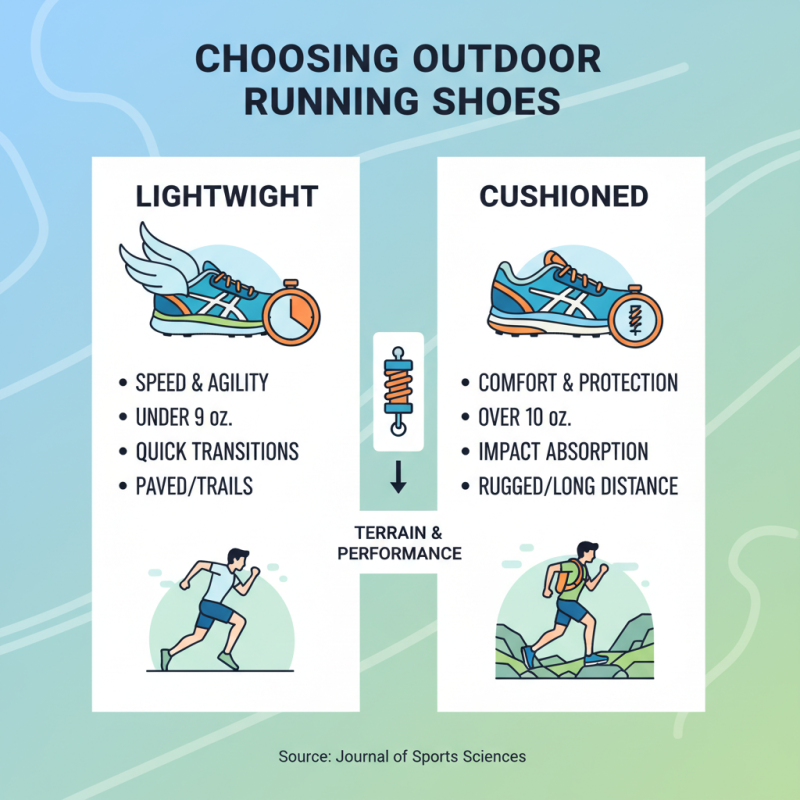
When choosing the perfect outdoor running shoe, understanding the differences between lightweight and cushioned options is crucial for enhancing both comfort and performance on varied terrains. Lightweight running shoes are designed for speed and agility, often favored by competitive runners. According to a report from the Journal of Sports Sciences, these shoes typically weigh less than 9 ounces and can improve running economy by up to 4%. They allow for quicker foot transitions and are more responsive, making them ideal for well-maintained trails or paved surfaces.
On the other hand, cushioned running shoes prioritize comfort and shock absorption, providing extra support over long distances or rugged terrains. A study from the American Academy of Sports Medicine highlights that runners using cushioned shoes experience reduced impact forces by approximately 30%, which can significantly decrease the risk of injury. These shoes often feature thicker midsoles and additional padding, making them suitable for those who tackle uneven ground or require extra arch support.
Tips: When selecting running shoes, consider your foot type and running style; overpronators may benefit from more cushioning, while neutral runners could opt for lighter options. Additionally, try on shoes late in the day when your feet are more swollen to ensure a proper fit. Remember, it’s essential to replace your running shoes every 300-500 miles to maintain optimal support and performance.
Tips for Choosing the Right Fit and Size for Running Shoes
When selecting the right fit and size for running shoes, understanding the nuances of foot anatomy and biomechanics is essential for both comfort and performance. According to a recent study by the American Podiatric Medical Association, improper shoe fitting can lead to a range of injuries, including plantar fasciitis and shin splints. Sizing should not solely rely on numerical dimensions; factors such as foot width, arch type, and individual running style must also be considered. Research indicates that up to 80% of runners are wearing shoes that do not fit properly, which can hinder their performance and lead to discomfort during runs.
To ensure the best fit, it is recommended to measure your feet in the afternoon when they are slightly swollen, as this provides a more accurate size. Additionally, the space between the toes and the shoe should be roughly the thickness of a thumb. A study published in the Journal of Sports Sciences found that runners using footwear with improper fit experienced a decrease in their overall running economy by up to 5%. Therefore, investing time in trying different styles and fits can significantly improve not only comfort but also overall endurance and speed.
Top Outdoor Running Shoes for Comfort and Performance in All Conditions
This chart illustrates the average comfort and performance ratings of popular outdoor running shoe types, based on user feedback. Ratings are on a scale of 1 to 10, with higher scores indicating better comfort and performance.