Top Sport Shoes to Watch in 2026 for Global Buyers?
As we look ahead to 2026, the world of sport shoes is rapidly evolving. Buyers are more discerning than ever, seeking innovation, comfort, and style. The landscape of sport shoes is dynamic, influenced by trends, technology, and consumer preferences. Brands are constantly pushing boundaries to create footwear that enhances performance while appealing to fashion-conscious buyers.
In this exciting market, various aspects come into play. Sustainability is becoming crucial. Brands focus on eco-friendly materials and production methods. Additionally, advancements in technology bring smart shoes. They track performance metrics and optimize workouts. However, not all brands are keeping pace with these changes. Some still rely on outdated designs and practices.
Shoppers are often overwhelmed by choices. With numerous styles and features, making the right decision can be challenging. Buyers must consider comfort alongside functionality. Finding sport shoes that meet personal needs is essential. Ultimately, the sport shoes you choose now will likely reflect your values and lifestyle in the coming years.

Emerging Trends in Footwear Design for 2026
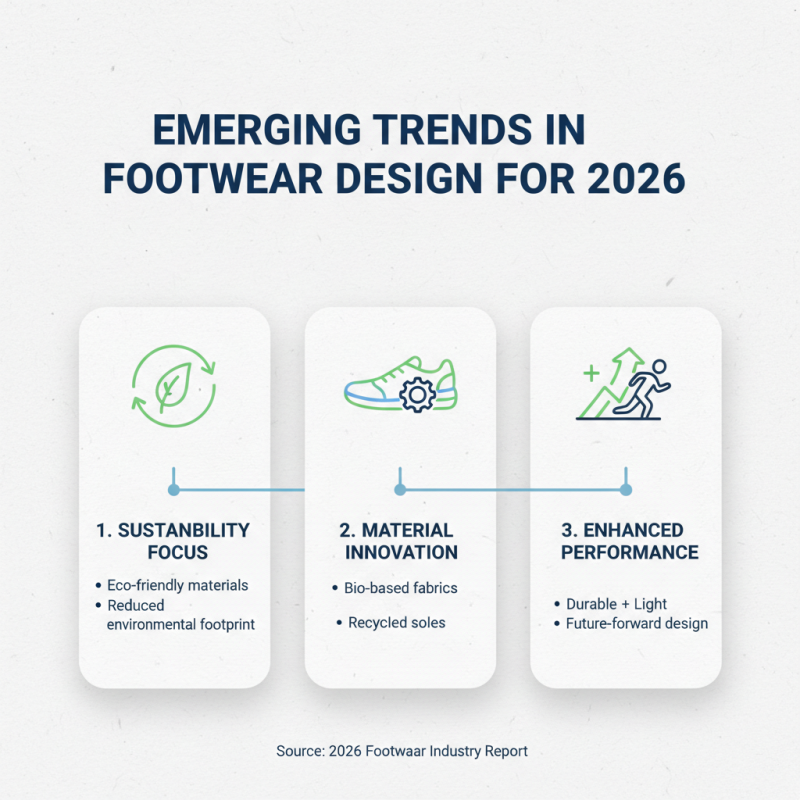
The footwear landscape in 2026 is poised for exciting transformations. Designers are increasingly focused on sustainability. Eco-friendly materials are making their way into mainstream production. This change aims to reduce environmental footprints while enhancing performance. From bio-based fabrics to recycled soles, innovation is at the forefront.
Technology integration is another emerging trend. Smart shoes with adaptive fit and performance-tracking capabilities are gaining popularity. Consumers crave personalized experiences, and these features cater to that desire. Yet, the balance between technology and comfort remains a topic for debate. Too much tech could compromise the traditional feel of sports shoes.
Aesthetics will also shift. Bold colors and unique patterns are expected to dominate. Expect a blend of classic looks with modern twists. However, this can pose challenges for different consumer preferences. Not everyone embraces loud designs. Brands must reflect on how to cater to diverse tastes while staying trendy.
Key Athletes Influencing the Future of Sport Shoes
As we look ahead to 2026, key athletes are set to shape the direction of sport shoes. Their influence extends beyond performance; they redefine consumer preferences. According to recent market reports, the global athletic footwear market is projected to reach $120 billion by 2026. This growth highlights the importance of athlete endorsements and innovations in design.
Athletes like those excelling in athletics and basketball are increasingly seen as trendsetters. They often collaborate with designers, utilizing extensive consumer feedback. A study showed that 70% of buyers are influenced by athlete endorsements when selecting sports shoes. This statistic reflects the correlation between athletic performance and brand loyalty.
**Tip:** Keep an eye on emerging athletes. Their choices can impact future trends.
Notably, while innovation is essential, brands must also address sustainability. Some athletes advocate for eco-friendly practices. Reports indicate that 60% of consumers prefer brands with sustainable initiatives. This shift challenges companies to balance performance, style, and environmental responsibility.
**Tip:** Research sustainable options in sport shoes. This choice can enhance your purchasing impact.
Athletes’ journeys and personalities are increasingly central to branding. Marketing strategies should consider diverse markets to resonate with potential buyers. Change is constant in athletic footwear, influenced by the dynamics of sports and consumer expectations.
Top Sport Shoes to Watch in 2026
Innovative Technologies Enhancing Performance in Sport Footwear
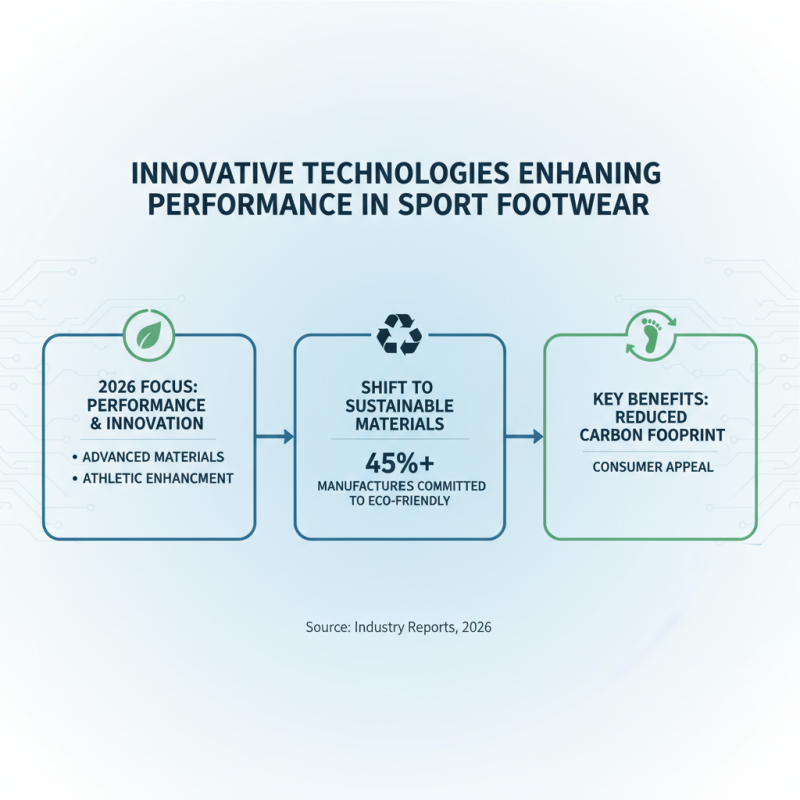
In 2026, athletic shoe technology will focus on enhancing performance through innovation. Recent industry reports indicate a shift towards sustainable materials, with over 45% of manufacturers committing to eco-friendly production methods. This trend aims to reduce carbon footprints while catering to environmentally conscious consumers.
Advanced cushioning systems are revolutionizing comfort. Ergonomic designs, such as adaptive fit technology, cater to individual foot shapes. Studies show that shoes with better fit can reduce injuries by up to 30%. For athletes, the right cushioning can significantly enhance performance and endurance.
**Tip:** Always prioritize fit over style. Shoes that match your foot type can prevent discomfort and injury.
Smart footwear is also gaining traction. Integrated sensors provide real-time feedback on performance metrics. Reports indicate that 60% of athletes using smart shoes improved their training regimens. However, there is a need for balance. Over-reliance on technology might overshadow the fundamentals of training.
**Tip:** Use technology to complement your training, but don’t forget the basics. Solid technique and consistent practice remain key to unlocking your potential.
Sustainable Materials Shaping the Future of Athletic Shoes
As we look ahead to 2026, athletic shoes are experiencing a transformation driven by sustainability. Many manufacturers are now exploring the use of recycled materials. These eco-friendly options reduce waste and minimize resource consumption in production. New technologies make it easier to create high-performance shoes with a lower environmental impact. The materials used are crucial in reshaping how athletes choose their footwear.
Incorporating organic materials like cotton and biodegradable rubbers can improve sustainability. However, challenges remain in ensuring durability and performance. Some buyers might hesitate, questioning if these shoes can keep up with rigorous sports activities. Testing and consumer feedback will play important roles in refining these products. As trends evolve, there is an increasing demand for transparency about material sourcing.
Market response is crucial. Consumers are more aware of their choices. Many actively seek sustainable options that align with their values. Yet, there’s still skepticism regarding effectiveness and longevity. This creates a need for brands to establish trust through rigorous testing. Brands should also engage in dialogue about the materials used, sharing successes and setbacks in their sustainability journeys.
Market Predictions for Global Sport Shoe Sales in 2026
The global sport shoe market is poised for significant growth by 2026. Recent industry analysis predicts that sales could reach approximately $100 billion. Factors driving this expansion include rising health consciousness and increased participation in sports. In urban areas, more consumers are prioritizing fitness, leading to higher demand for performance-oriented footwear.
Technological advancements play a crucial role in this market. Innovations in materials and design enhance comfort and support. Studies show that lightweight and breathable shoes are preferred by athletes and fitness enthusiasts. Furthermore, collaborations between innovators and designers have created exciting products that appeal to various demographics.
However, challenges exist. Economic fluctuations and global supply chain issues may affect availability and pricing. Environmental concerns also push the industry toward sustainable practices. Brands need to address these issues to maintain consumer trust. In a competitive market, meeting evolving consumer needs is crucial for long-term success. Predicting the future requires adaptability and a keen understanding of market trends.